Finding more hair than usual on your pillow, in the shower drain or caught in your hairbrush can be worrying. Hair fall is one of the most common hair concerns, and it affects women of every age and hair type. The good news is that most everyday hair fall has a clear cause, and many of those causes can be improved with simple changes at home.
In this guide, we explain the most common causes of hair fall, share home remedies that genuinely help, and set out a simple weekly routine you can follow. You do not need expensive treatments to start seeing a difference. With patience and consistent care, your hair can become stronger, fuller and healthier over time.
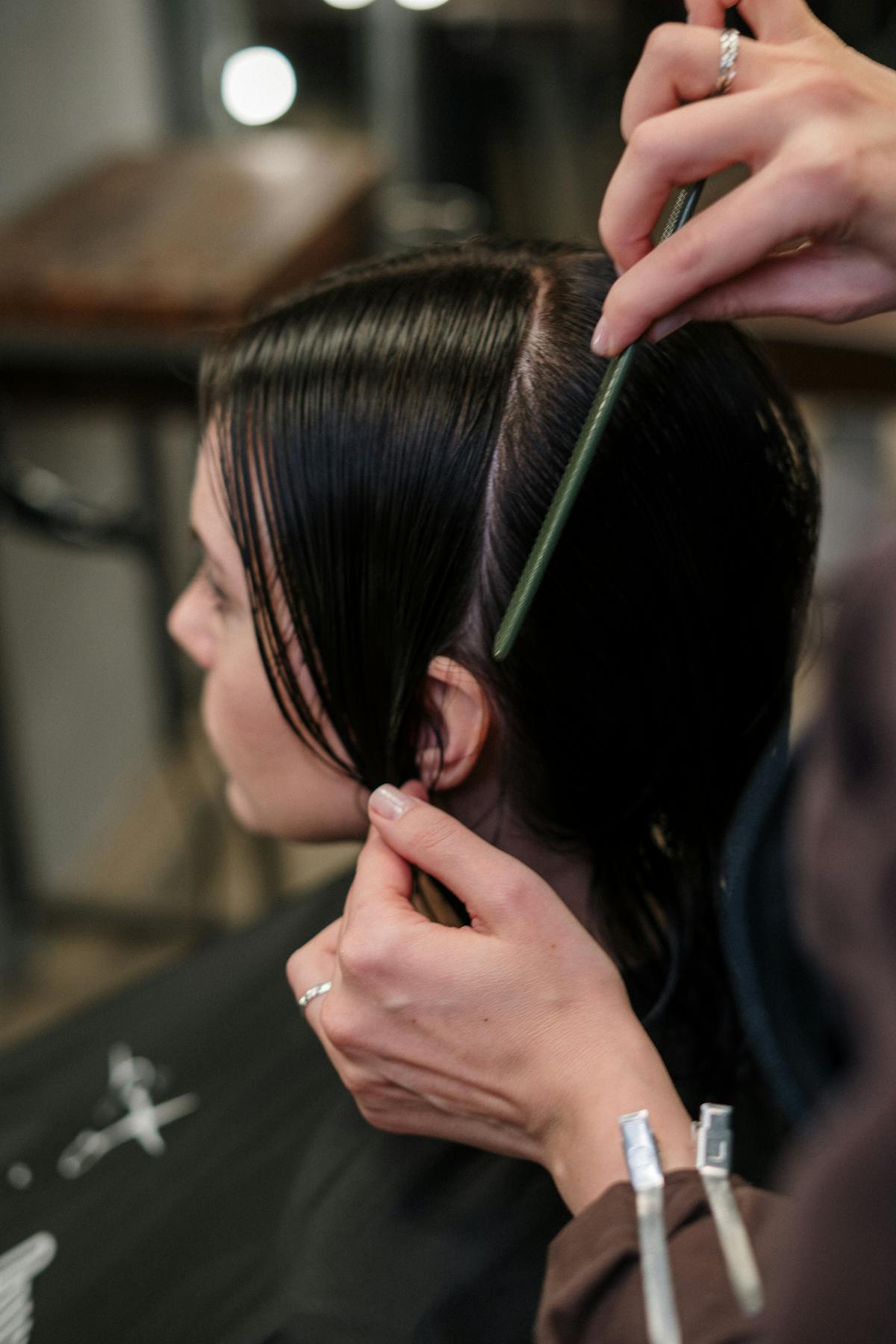
What Is Hair Fall and How Much Shedding Is Normal?
It is completely normal to lose some hair every day. Each strand of hair grows through a cycle of growth, rest and shedding, and losing around 50 to 100 hairs a day is part of that healthy cycle. You may notice more shedding after washing or brushing your hair, and this is usually nothing to worry about.
Hair fall becomes a concern when you notice a clear change. This might mean visibly thinner hair, a widening parting, more hair on your pillow than usual, or clumps coming out when you wash or brush. If the shedding lasts for more than a few weeks or keeps getting worse, it is worth looking at the likely causes and making some gentle changes to your routine.
Common Causes of Hair Fall
Hair fall rarely has a single cause. It is often the result of several small factors working together, so it helps to look at your overall health, diet and hair-care habits before deciding what to change.
1. Stress and Major Life Changes
Stress is one of the most common triggers for sudden hair fall. When the body is under physical or emotional stress, more hairs than usual can move into the shedding phase at the same time. This type of shedding often appears two to three months after the stressful event, which is why it can be hard to connect the two. Illness, surgery, a bereavement, exams or a big move can all play a part, and the shedding usually slows down once life settles again.
2. Nutritional Deficiencies
Hair is made mostly of protein, so it needs a steady supply of nutrients to grow well. Low levels of iron, zinc, vitamin D or vitamin B12 can all weaken the hair and increase shedding. Crash diets, skipping meals and eating very little protein are common culprits. A balanced diet with enough protein, iron-rich foods and a variety of fruit and vegetables gives your hair the building blocks it needs to stay strong.
3. Hormonal Changes
Hormones have a powerful effect on the hair growth cycle. Many women notice extra shedding after pregnancy, when stopping or changing contraception, or during perimenopause and menopause. Thyroid problems can also cause hair fall, because an underactive or overactive thyroid disrupts the normal growth cycle. If your shedding started around the same time as another change in your body, hormones may be involved.
4. Heat Styling and Chemical Treatments
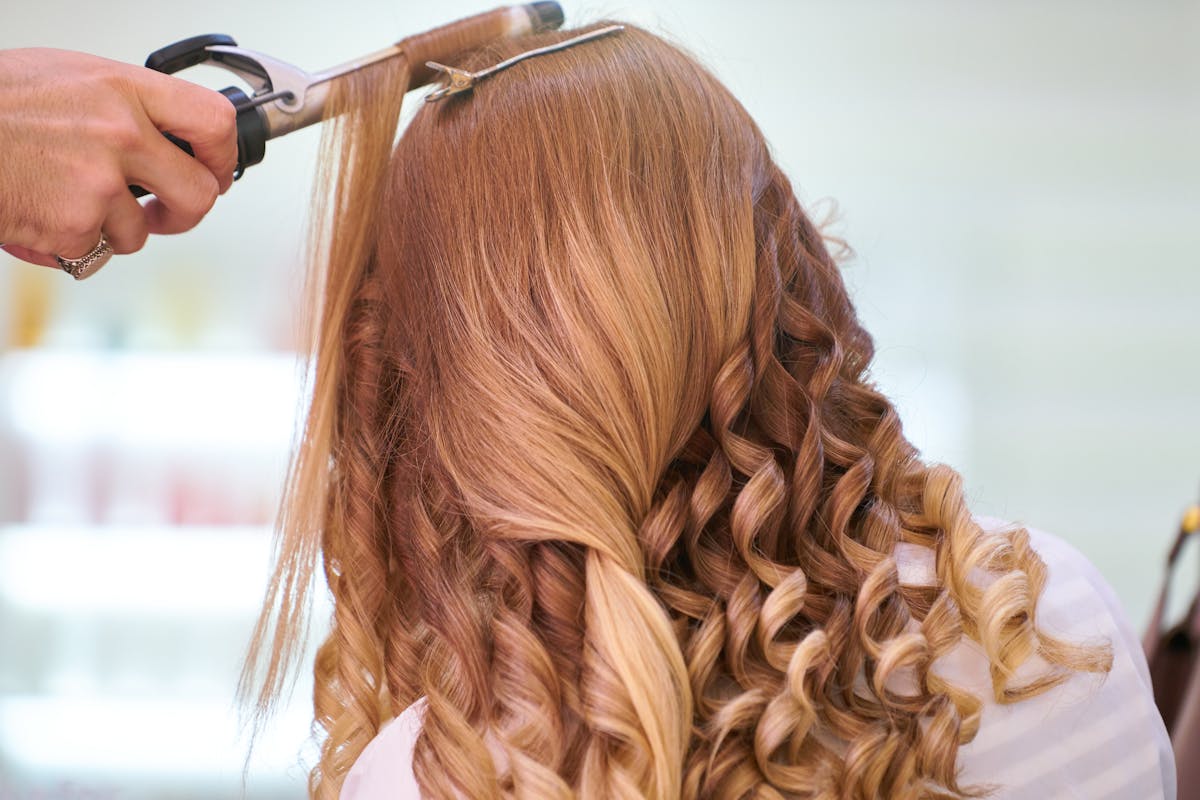
Daily straightening, curling and blow-drying on high heat can leave hair dry, brittle and prone to breakage, which often looks like hair fall. Frequent colouring, bleaching, perming and relaxing treatments can weaken the hair shaft in a similar way. The damage builds up slowly, so hair may seem fine for months before it starts snapping and thinning. Giving your hair regular breaks from heat and chemicals can make a real difference.
5. An Unhealthy Scalp
A healthy scalp is the foundation of healthy hair. Dandruff, excess oil, product build-up and fungal irritation can inflame the scalp and weaken the roots. When follicles are blocked or irritated, hair sheds more easily and new growth can be thinner. Regular, gentle washing and keeping styling products away from the scalp help to keep the environment around each follicle clean and calm.
6. Tight Hairstyles That Pull on the Roots
Very tight ponytails, braids, buns and extensions put constant tension on the hair roots. Over time, this pulling can damage the follicles and cause hair to thin around the hairline and temples, a problem known as traction alopecia. The damage is often reversible if the tension is eased early, so vary your hairstyles and keep them loose whenever you can.
7. Illness, Medication and Genetics
Some medicines, including certain blood pressure drugs, antidepressants and acne treatments, list hair loss as a side effect. Serious illness, a high fever or surgery can also trigger a wave of shedding a few months later. Genetics matter too: if close family members have thinning hair, you may be more likely to notice it yourself. In these cases, home care can still help, but it is sensible to talk to a doctor as well.
Home Remedies That Actually Help
Home remedies cannot work overnight, because hair grows slowly, but the right ones can improve scalp health, reduce breakage and support stronger growth over a few months. Always patch-test a new remedy on a small area of skin first, and stop using it if you notice itching or irritation.
1. Warm Oil Scalp Massage
A regular scalp massage increases blood flow to the follicles and helps distribute the scalp’s natural oils. Warm two tablespoons of coconut oil or olive oil until it is comfortably warm, never hot. Massage it into your scalp with your fingertips for five to ten minutes, using small circular movements. Leave it on for at least 30 minutes, or overnight if you prefer, then wash it out with a gentle shampoo. Repeat once or twice a week.
2. Aloe Vera Gel for the Scalp
Aloe vera is soothing and moisturising, which makes it useful for an irritated or flaky scalp. Scoop fresh gel from an aloe leaf, or use a pure shop-bought gel with no added fragrance. Apply it directly to your scalp, leave it on for 30 minutes, then rinse it out and shampoo as usual. Used once or twice a week, it can calm itching and leave the scalp feeling clean and comfortable.
3. Onion Juice Treatment
Onion juice is one of the best-studied home remedies for hair fall, and it is thought to help because onions are rich in sulphur, which supports keratin, the protein hair is made from. Blend one onion and strain the juice through a fine cloth. Apply the juice to your scalp with a cotton pad, leave it on for 30 minutes, then wash your hair thoroughly to remove the smell. Use it once a week for at least two months before judging the results.
4. Fenugreek Seed Mask
Fenugreek seeds are rich in protein and nicotinic acid, and they have long been used in South Asian hair care. Soak three tablespoons of fenugreek seeds in water overnight. In the morning, grind them into a smooth paste and apply it to your scalp and hair. Leave the mask on for 30 to 45 minutes, then rinse it out and shampoo as usual. Use it once a week to help strengthen the hair and reduce shedding.
5. Rice Water Rinse
Rice water has been used for centuries to keep hair smooth and strong. Rinse half a cup of rice, then soak it in two cups of water for 30 minutes and strain the water into a clean bowl. After shampooing, pour the rice water over your hair and scalp, massage it in gently, and leave it for ten minutes before rinsing with plain water. The rinse can help to smooth the hair cuticle and reduce breakage, so use it once a week.
6. Egg and Yoghurt Mask
Eggs are a rich source of protein and biotin, both of which support stronger hair. Whisk one egg with two tablespoons of plain yoghurt until smooth. Apply the mixture to damp hair from roots to ends and cover your hair with a shower cap. Leave it on for 20 to 30 minutes, then rinse it out with cool water and shampoo as usual. Use this mask once a week, and always rinse with cool water so the egg does not cook in your hair.
A Simple Weekly Hair-Care Routine
A routine works best when it is simple enough to stick to. You do not need a shelf full of products; you need a few good habits, repeated every week. Try this gentle routine for at least two months, because that is how long it takes to see real change in hair growth. For extra seasonal care, you can also read our best winter hair care tips, which help protect hair when the weather turns cold and dry.
Once a week: Give yourself a warm oil scalp massage before washing your hair, and use one of the masks above. Wash your hair with a mild shampoo and finish with conditioner on the lengths only.
Two or three times a week: Wash your hair when it needs it, not every day unless your scalp is very oily. Brush gently with a wide-tooth comb, starting from the ends and working upwards to avoid pulling and breakage.
Every day: Eat a protein-rich meal, drink enough water and keep your hair loosely tied or down. If you use heat tools, always apply a heat protectant first and choose the lowest setting that works.
Once a month: Trim split ends and check your products. Replace anything that leaves your scalp itchy, greasy or irritated, and give your hair a week with no heat styling at all.

What to Avoid
Some habits make hair fall worse without you realising it. Brushing wet hair aggressively is one of the worst, because wet hair stretches and snaps far more easily than dry hair. Washing with very hot water can strip the scalp of its natural oils, while piling on too many styling products can clog the follicles and weigh hair down. Try to avoid tight hairstyles every day, daily heat styling and over-washing, and let your hair air-dry whenever you can. Small changes in these habits can reduce breakage noticeably within a few weeks. If your hair is curly, our step-by-step guide to treating curly hair explains how to handle it gently and keep it hydrated.
When to See a Doctor
Home remedies help with everyday shedding, but some situations need medical advice. See a doctor if your hair is falling out in patches, your scalp is sore, red or very flaky, or the shedding has lasted for more than three months. Sudden hair fall after starting a new medicine, or hair fall together with tiredness, weight changes or irregular periods, should also be checked. A doctor can test for iron deficiency, thyroid problems and other causes, and treat the underlying issue so your hair can recover.

Frequently Asked Questions
How long does it take for home remedies to reduce hair fall?
Most people need at least two to three months of consistent care before they notice less shedding, because hair grows only about one centimetre a month. If you want to encourage faster growth alongside these remedies, read our guide on how to make hair grow faster.
Is onion juice safe for all hair types?
Onion juice suits most hair types, but it can irritate a sensitive scalp. Always do a patch test first, dilute it with a little water if it stings, and stop using it if redness or itching lasts more than a day.
Should I wash my hair every day if it is falling out?
Not necessarily. Washing every day is fine if your scalp is oily, but over-washing can dry the scalp and increase breakage. Most people do well washing two or three times a week with a mild shampoo.
Can hair fall be reversed?
In many cases, yes. Shedding caused by stress, poor diet or harsh styling often improves once the cause is addressed. Hair fall linked to genetics or a medical condition is harder to reverse, so early advice from a doctor gives the best chance of recovery.
The Bottom Line
Hair fall is common, and in most cases it can be improved with gentle care, a balanced diet and a little patience. Start with one or two remedies from this guide, follow the weekly routine, and give your hair at least two months to respond. If the shedding does not slow down, or you notice patches or scalp problems, speak to a doctor so the underlying cause can be treated.
Photo credits: the photographs in this post are free stock photos from Pexels — hairdresser parting wet hair, curling long blonde hair, rose petals, long blonde braid and hairdresser styling hair in a salon. Featured image: hair wash at a salon.